Understanding odometer readings is crucial for vehicle ownership. Check vehicle title validity using online tools to ensure accuracy and save costs. Budget for title transfer fees varying by state. Review comprehensive Vehicle History Reports for insights into ownership, accidents, and maintenance. In California, follow specific emission standards and use efficient platforms for seamless title transfers. Cross-reference odometer readings with service records for verification. Ensure clean titles and maintain detailed logs to simplify ownership transitions and avoid legal issues. Misrepresenting mileage carries severe consequences; verify odometer accuracy during transfers to comply with local regulations.
In the automotive industry, ensuring the integrity of a vehicle’s odometer reading is paramount for buyers and sellers alike. Accurate mileage documentation safeguards against fraudulent practices and ensures transparency in transactions. However, tampering with odometers has become a persistent issue, complicating efforts to verify a vehicle’s true history. To combat this challenge, it’s essential to adopt meticulous procedures when checking a vehicle’s title validity, as it can reveal critical information about its past ownership and mileage. This article delves into the intricacies of verifying odometer readings, offering proven strategies to ensure the authenticity of vehicle titles and foster trust in the market.
- Understand Odometer Readings: Basics Explained
- Access Vehicle History Report
- Verify Odometer Accuracy With Tools
- Check Vehicle Title Validity: A Crucial Step
- Interpret Service Records and Maintenance Logs
- Cross-Reference Mileage With Service Records
- Legal Implications of Incorrect Odometer Readings
Understand Odometer Readings: Basics Explained

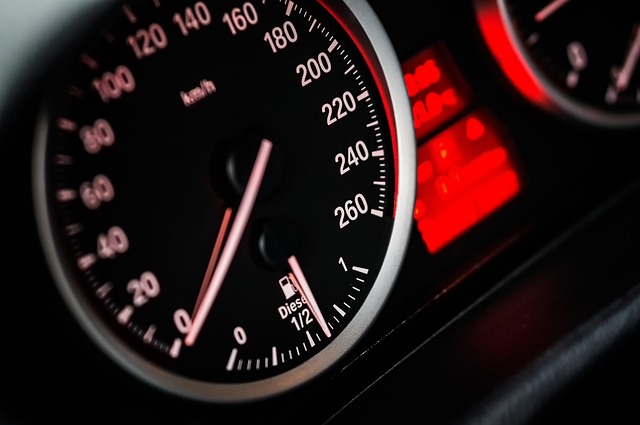
Understanding odometer readings is a crucial aspect of owning or buying a vehicle. The odometer displays the total distance traveled by a car, truck, or any motor vehicle since its manufacturing. This simple yet critical piece of information serves as a record of the vehicle’s history and can significantly impact its value. When evaluating a vehicle, it’s essential to verify the odometer reading to ensure accuracy and potential cost savings.
Each time a vehicle is registered or passes an inspection, the odometer data is recorded and associated with the vehicle’s title. This means that checking the validity of a vehicle title also involves examining its odometer history. For instance, in California, when transferring vehicle ownership through the Riverside DMV, you’ll need to ensure the odometer reading on the title matches the actual mileage of the car. A discrepancy could indicate potential fraud or tampering with the odometer, impacting the vehicle’s legal status and your purchase decision.
The process of checking a vehicle title for odometer validity can be straightforward. Many online tools and services allow you to verify the history of a vehicle’s title, including its odometer readings, by entering the vehicle identification number (VIN). This method provides valuable insights into the car’s past, such as ownership changes, accident histories, or potential odometer rollback attempts. For instance, Quick Auto Tags offers streamlined services to transfer vehicle ownership quickly and efficiently, ensuring all title-related procedures are handled correctly, including odometer validation.
When purchasing a used vehicle, be aware of the potential costs associated with title transfers, such as processing fees and DMV charges, which can vary by state and county. In act, these costs typically range from $50 to $200, depending on the type of vehicle and location. Understanding these expenses beforehand allows you to budget accordingly. Remember, a comprehensive check of the vehicle’s history, including odometer validity, is an essential step in making an informed decision when buying or selling a car.
Access Vehicle History Report

One critical step when purchasing a used vehicle is to verify its history and ensure the odometer reading is accurate. This process begins with accessing a comprehensive Vehicle History Report, which provides insights into the car’s past, including ownership changes, accident records, and maintenance history. Reputable services like Carfax or AutoCheck offer these reports, giving buyers a detailed picture of the vehicle’s condition and compliance with emissions standards. In California, for instance, all vehicles must meet certain emission standards to be road-worthy, and a valid title transfer process ensures these regulations are met during ownership changes.
The Vehicle History Report is your key to unlocking the car’s secrets. It allows you to check the vehicle title validity by detailing previous registrations and owners. This step is crucial as it helps prevent buying a car with hidden issues or a compromised title, which could impact its legal status for registration and insurance purposes. For example, a vehicle with a manipulated odometer reading may have been involved in fraud, and identifying such cases requires an in-depth title check.
When conducting this check, consider using services designed for swift and efficient title transfer processes, like Quick Auto Ownership Transfer Service at Quick Auto Tags. These platforms streamline the process, making it easier to navigate the often complex procedures involved in transferring a vehicle’s title. Additionally, understanding the title transfer cost in California is essential; these fees can vary but are typically relatively standard, ensuring a transparent and fair transaction. By combining a thorough Vehicle History Report review with a reliable transfer service, buyers can make informed decisions and avoid potential pitfalls when acquiring used vehicles.
Verify Odometer Accuracy With Tools

Odometer accuracy is a critical aspect of vehicle ownership, ensuring transparency and preventing fraud. To verify odometer reading integrity, several tools and methods are available. One straightforward approach involves cross-referencing the vehicle’s odometer with its title records. By checking the official vehicle history report, owners can confirm the displayed mileage aligns with what’s documented. This process is essential when purchasing a used car, as it helps uncover potential odometer rollback attempts or tampering.
In California, for instance, transferring ownership of a vehicle involves more than just updating the title. There’s a specific procedure to ensure vehicle emissions compliance and obtain a smog certificate, which costs around $50-$100, depending on the vehicle age and type. This process is streamlined through services like Quick Auto Ownership Transfer at Quick Auto Tags, offering a swift and efficient solution for California residents. However, it’s not just about cost; it’s also crucial to ensure the title transfer is legitimate and accurately reflects the vehicle’s true mileage.
Advanced technology has made odometer verification more accessible. Digital scanning tools can quickly extract and interpret data from vehicles’ onboard computers, providing an accurate snapshot of their history. These tools are particularly useful for professionals in the automotive industry, allowing them to perform thorough inspections. Additionally, some car manufacturers offer remote diagnostics that can be utilized for odometer reading confirmation, ensuring peace of mind for both buyers and sellers. Regularly checking your vehicle’s odometer and maintaining transparent records is a proactive step towards responsible ownership and avoiding potential legal issues related to title transfer and emissions compliance.
Check Vehicle Title Validity: A Crucial Step

Verifying a vehicle’s odometer reading is just one critical step in ensuring a sound purchase. Another crucial aspect involves checking the vehicle title validity to avoid potential legal issues and ownership complications down the line. The title is essentially a legal document that proves ownership, and its authenticity cannot be overstated.
When purchasing a used vehicle, it’s essential to verify that the title is clear, accurate, and free from any liens or undisclosed issues. Inaccurate or fraudulent titles can lead to significant problems, including legal battles and financial losses. This is where checking the validity of the title becomes paramount. One effective method is to consult with reputable services like Quick Auto Tags for DMV title transfer assistance. They offer guidance on navigating the process efficiently, ensuring a smooth transition of ownership.
In California, for instance, individuals looking to transfer vehicle titles can explore various payment options through the DMV. Services like Riverside Fast Title Transfer streamline the process, offering express services that can complete the transfer in as little as one business day. This level of efficiency is particularly appealing to busy individuals who require swift and reliable title updates. By engaging with such specialized services, you not only ensure the validity of your vehicle’s title but also maintain the integrity of your transaction throughout.
Interpret Service Records and Maintenance Logs

When verifying a vehicle’s odometer reading to ensure its history is accurately represented, examining service records and maintenance logs stands as a crucial step. These documents offer a detailed narrative of the car’s upkeep and repairs over time, painting a clearer picture than just the odometer reading alone. For instance, a well-maintained vehicle with regular oil changes and timely major repairs will often exhibit lower mileage for its age compared to one with spotty service records. In California, where smog check requirements are stringent, these logs can also attest to whether emissions tests have been passed successfully and when.
For used car buyers, checking the vehicle’s title validity is a natural extension of this process. This involves verifying that there are no outstanding liens or issues with the title, ensuring it’s clean and free from legal complications. Many DMVs allow for title transfer without an appointment, streamlining the process for both buyers and sellers. When transferring titles, having a bill of sale on hand—which outlines the terms of the transaction—is essential, whether you’re doing this 1-3 times a year or more frequently. For instance, in California, a bill of sale should include the vehicle’s identification number (VIN), buyer and seller information, and date of transfer.
Conveniently, services like Quick Auto Tags offer a simple solution for those looking to facilitate this process quickly and accurately. They can assist with the DMV title transfer without the need for an in-person visit, saving time and effort. This is particularly beneficial when dealing with older vehicles that may have undergone several ownership changes, reflecting in their service records. Regularly updating maintenance logs and ensuring clean titles not only helps maintain vehicle integrity but also makes the buying and selling process smoother, promoting transparency in California’s vibrant auto market.
Cross-Reference Mileage With Service Records

Cross-referencing a vehicle’s odometer reading with its service records is an essential step in verifying its true mileage. This method involves comparing the displayed mileage on the dashboard with the documented service history, including oil changes, maintenance logs, and any recorded accidents or damage. Service records can be obtained from the previous owner or dealer, providing a detailed account of the vehicle’s past. For instance, if a car shows 45,000 miles but its service records indicate regular oil changes every 5,000 miles, with the latest being at 38,000 miles, it raises questions about the odometer reading’s accuracy.
In California, when transferring a vehicle title, whether from an out-of-state source or within the state, ensuring the title’s validity is crucial. The process involves checking for any discrepancies or tampering and confirming that the seller has legal ownership. One reliable service handling such matters is Quick Auto Tags, offering convenient solutions for DMV title transfers, including payment options tailored to individual needs. The cost of a title transfer varies based on factors like vehicle type and age but typically ranges from $50 to $200 in California. Alongside the title transfer fee, there may be additional charges for a bill of sale, registration fees, and emissions testing, which can range from $10 to $50 depending on local regulations.
To maintain transparency, always request a bill of sale when purchasing a vehicle, detailing the transaction’s terms and conditions. This document not only protects both parties but also serves as a reference point for future title transfers or sales. For example, if you’re transferring an out-of-state title to California, Quick Auto Tags can facilitate this process, including any necessary adjustments to reflect local regulations. By cross-referencing mileage with service records and ensuring title validity through reputable services, potential buyers can make informed decisions, mitigating risks associated with odometer fraud or title discrepancies.
Legal Implications of Incorrect Odometer Readings

Incorrect odometer readings on vehicles can have significant legal implications, with potential consequences for both buyers and sellers. In many jurisdictions, including California, it is illegal to misrepresent a vehicle’s mileage, as it can be considered fraudulent. If caught, individuals may face fines, civil lawsuits, or even criminal charges, depending on the severity of the offense. For instance, in 2022, California’s DMV reported over 15,000 cases of odometer fraud, underscoring the prevalence and seriousness of this issue.
When transferring vehicle ownership, such as when using Riverside DMV title transfer services or expediting the process with a specialized express service like Quick Auto Tags, ensuring accurate odometer readings is paramount. The validity of the vehicle title is inherently linked to the mileage recorded at the time of sale. California’s DMV title transfer paperwork demands meticulous attention to detail, especially regarding odometer measurements. Any discrepancies could lead to delays, additional fees, or even denial of the title transfer request. For example, if a buyer discovers that the actual mileage differs from what was declared on the title, they may initiate legal action against the seller for misrepresentation.
To mitigate these risks, both buyers and sellers should practice due diligence in verifying odometer readings before completing any transaction. This includes obtaining detailed vehicle history reports and cross-referencing them with maintenance records to ensure consistency. By adopting these precautions, individuals can navigate the title transfer process more smoothly, avoiding potential legal entanglements. Using services like Quick Auto Tags that specialize in California DMV title transfers can also help streamline this process, as their expertise ensures compliance with local regulations regarding odometer accuracy and title validity.
By understanding odometer readings, accessing vehicle history reports, verifying tool accuracy, checking title validity, interpreting service records, cross-referencing mileage, and being aware of legal implications, you can ensure the integrity of a vehicle’s reported mileage. This multifaceted approach, as outlined in this article, equips individuals with the knowledge to make informed decisions when purchasing or maintaining vehicles, thereby safeguarding against potential fraud and ensuring transparency in the automotive market. Prioritizing these steps is crucial for protecting your investment and fostering trust within the industry.